Regenerative therapy is an advanced approach to pain management that works by stimulating the body’s natural healing processes. By using biologically active substances derived from the patient’s own body, regenerative treatments aim to reduce inflammation, repair damaged tissues, and restore function—addressing the root cause of pain rather than just masking symptoms.
We offer ultrasound-guided Platelet-Rich Plasma (PRP) injections as an advanced regenerative treatment option for chronic musculoskeletal pain.
What is PRP (Platelet-Rich Plasma) Therapy?
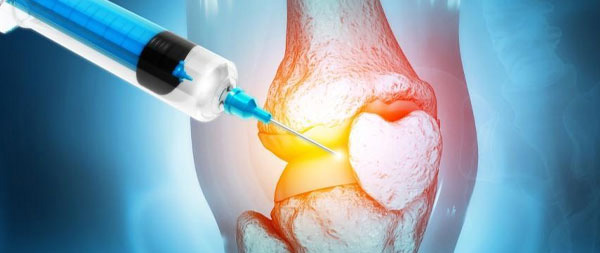
PRP therapy involves injecting a concentrated solution of the patient’s own platelets into a painful joint. PRP is prepared from your own blood and contains a high concentration of growth factors that help reduce inflammation, promote tissue healing, and improve function. PRP is commonly used for joint pain caused by arthritis, tendon injuries, and ligament damage. This procedure helps in regeneration of degenerated cartilages which has occurred due to aging, obesity, trauma.
Conditions Commonly Treated with PRP
- Knee, Shoulder, Hip, Ankle, Wrist related pain conditions
- Tendon injuries (tennis elbow, golfer’s elbow, Achilles tendinopathy)
- Ligament sprains and partial tears
- Joint pain due to early arthritis
- Muscle injuries and chronic soft tissue pain
Benefits of PRP Therapy:
-
Non-surgical option: PRP therapy provides a non-surgical alternative to traditional joint pain treatments such as corticosteroid injections or surgery. It supports the body’s natural healing process without the risks linked to invasive procedures.
-
Pain relief: A key benefit of PRP therapy is its ability to reduce pain. The high concentration of platelets helps speed up healing, which can lessen inflammation and provide lasting pain relief.
-
Tissue repair and regeneration: PRP therapy encourages the repair and regeneration of damaged tissues, including cartilage, tendons, and ligaments. Over time, this can lead to improved joint strength, function, and mobility.
-
Minimally invasive treatment: PRP therapy is a minimally invasive procedure typically performed on an outpatient basis. It involves drawing a small amount of blood, processing it to concentrate the platelets, and injecting the PRP directly into the affected joint.