Timings: 10:00AM - 5:00PM
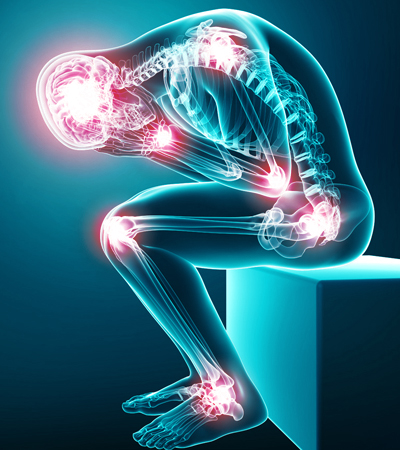
Pain is the body’s natural warning signal that something isn’t right. Chronic pain is widespread, yet it often goes undiagnosed or inadequately treated. When pain persists for 12 weeks or longer, even without ongoing injury or despite treatment, it is considered chronic.
Living with long-term pain is a common and significant health issue.
The chronic pain cycle describes how the body, brain, and nervous system interact in a repeating pattern when pain becomes long-term. Chronic pain impacts daily activities, emotional well-being, and overall quality of life. These effects signal the brain that the pain is overwhelming, which can intensify pain responses and sustain the cycle, creating a continuous and self-reinforcing pattern.
Pain is often misunderstood or incorrectly diagnosed, making proper classification important for effective treatment. To better understand and manage pain, chronic pain is commonly categorized into the following types:
Chronic pain can have significant mental, physical, and social effects.
Mental and emotional effects often include depression, anxiety, social withdrawal, and mood changes. Ongoing pain can act as a trigger or contributing factor for various mental health challenges.
Physical effects are often clearly felt by those living with chronic pain. These may include muscle weakness, increased pain in other areas of the body due to overcompensation, and conditions such as stomach ulcers related to prolonged stress or medication use.
Impact on daily activities may involve avoiding social gatherings, limiting participation in enjoyable physical activities, or missing work. These changes can result from physical discomfort or from emotional strain caused by persistent pain.
Substance use and addiction can also develop when chronic pain is not properly managed. Some individuals may turn to drugs or alcohol in an attempt to numb physical pain or cope with associated depression, leading to harmful coping behaviors over time.